Understanding how to price your rental by season in Los Cabos is one of the most important factors influencing long-term performance. While many owners focus primarily on occupancy, the most successful properties are guided by a pricing strategy that evolves with demand, positioning, and market behavior throughout the year.
Los Cabos is not a one-season destination. Demand shifts continuously, influenced by international travel patterns, key holiday periods, whale watching season, weather conditions, and the overall perception of the destination at any given moment. Pricing, therefore, should never be static—it should be intentional and responsive.
For owners and investors, this is where the difference between average and exceptional performance becomes clear. A well-structured seasonal pricing strategy does not simply react—it anticipates. Rates should adjust to real demand patterns while preserving the positioning of the property, ensuring that revenue is optimized without compromising long-term value.
Why Seasonal Pricing Matters in Los Cabos?
Seasonal pricing is not simply about increasing rates during high season and lowering them when demand slows. In Los Cabos, it requires a deeper understanding of how different types of travelers move throughout the year—and how that movement shapes both booking behavior and perceived value.
During peak months, demand compresses quickly. Travelers tend to book in advance, availability becomes limited, and pricing power increases. In these moments, the opportunity is not just to fill the calendar, but to capture the full value of the property.
In slower periods, a more refined approach is required. Reducing prices too aggressively can weaken long-term positioning, particularly within the luxury segment. Strong performance comes from adapting with precision—not reacting impulsively.
Seasonal pricing is ultimately what transforms a rental from passive income into a structured, revenue-driven asset.
Understanding the Rental Seasons in Los Cabos
To build an effective pricing strategy, it is essential to understand how demand naturally shifts throughout the year in Los Cabos.
High season defines peak performance. Typically spanning from late fall through early spring, it is driven by international travel, ideal weather conditions, and key experiences such as whale watching. During this period, travelers are less price-sensitive, while expectations around quality and experience are significantly higher. These patterns are closely tied to historical weather patterns in Los Cabos.
Shoulder season is where strategy matters most. These transitional periods are often underestimated. Demand remains present, but becomes more selective. Thoughtful pricing—not simple reductions—allows properties to maintain performance while preserving positioning.
Low season introduces variability, not absence of demand. Warmer temperatures and occasional storms influence travel behavior, but demand does not disappear—it evolves. Longer stays, flexible travelers, and experience-driven bookings become more common. You can explore current rental demand in Los Cabos to better understand real-time positioning.
Owners who understand these shifts are able to adapt without compromising long-term value.
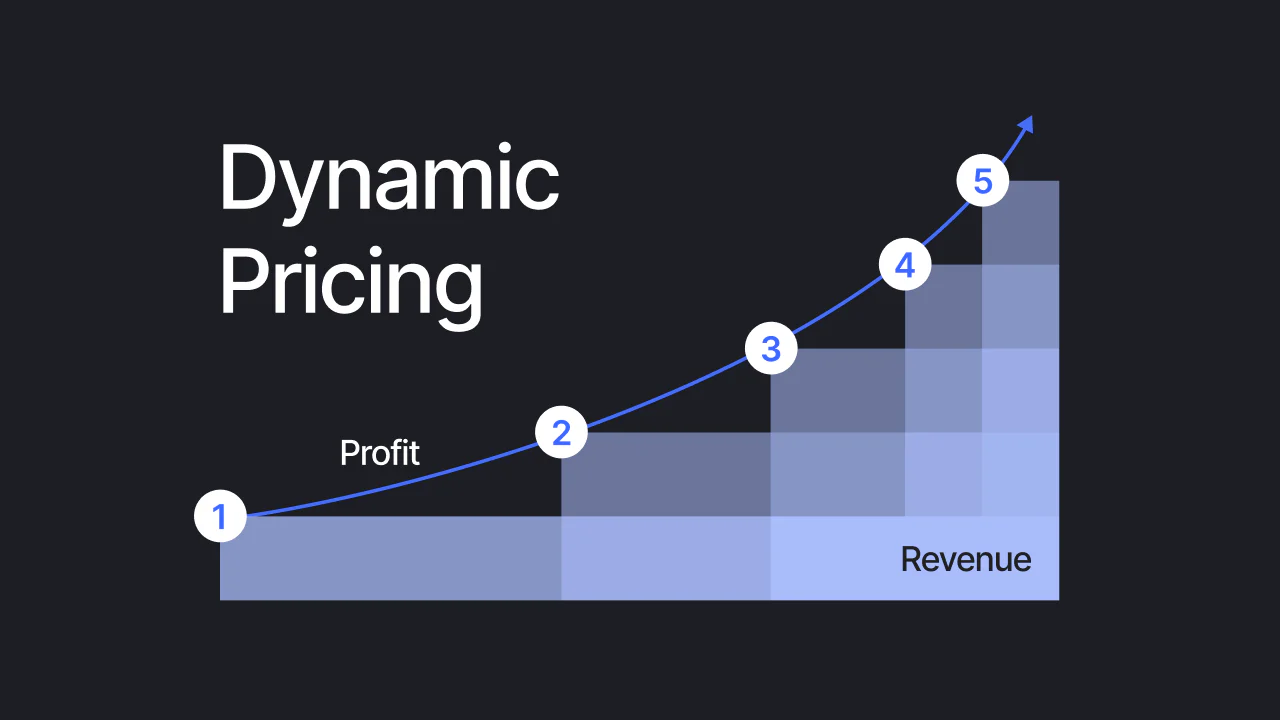
High Season Pricing Strategy (Peak Demand)
High season often represents a significant portion of annual revenue, yet it is also where many owners continue to underprice.
As demand increases, the market shifts in your favor. Availability tightens, and travelers begin competing for the best options. Pricing should reflect not only demand, but the distinct value of the property.
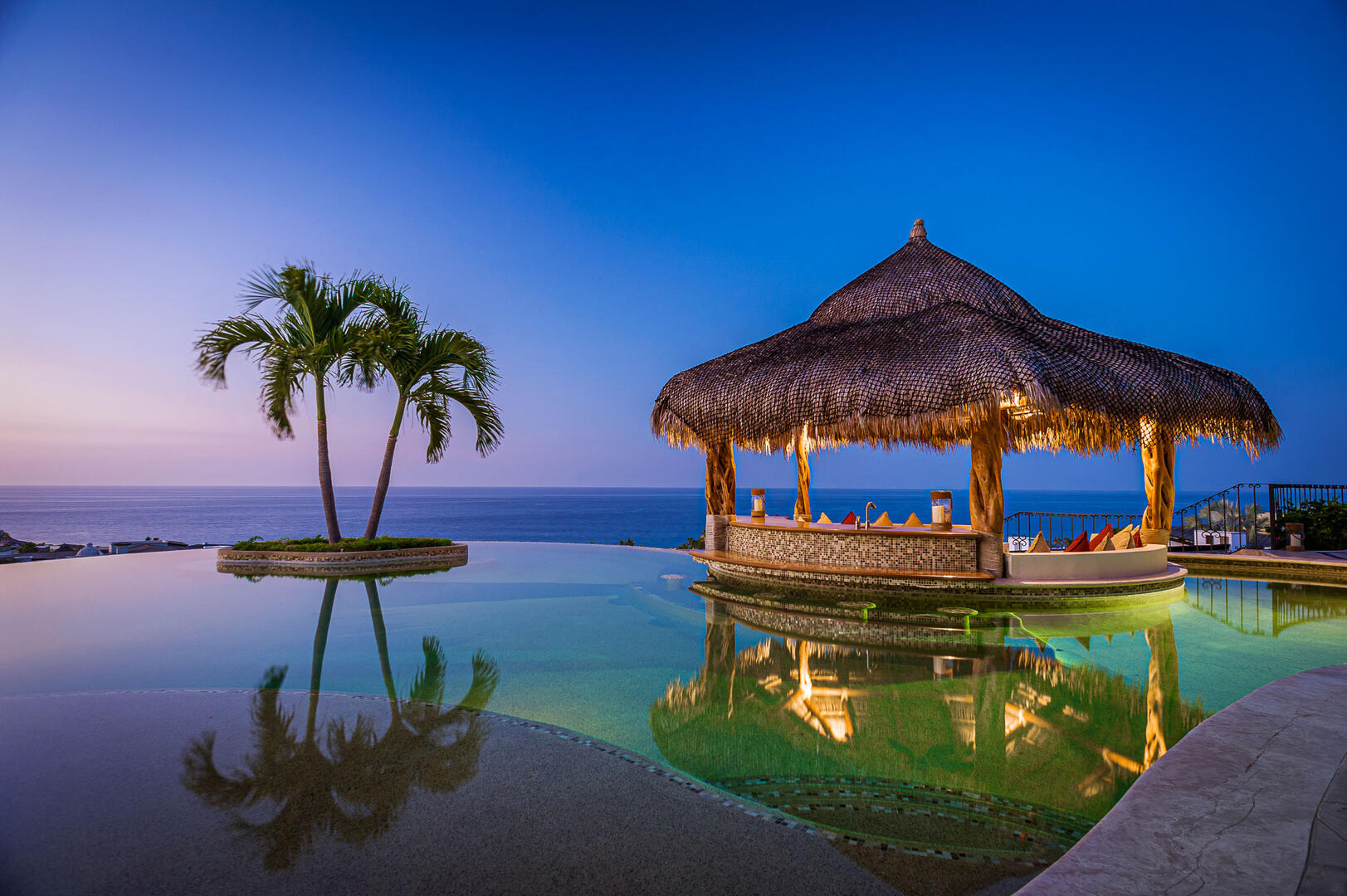
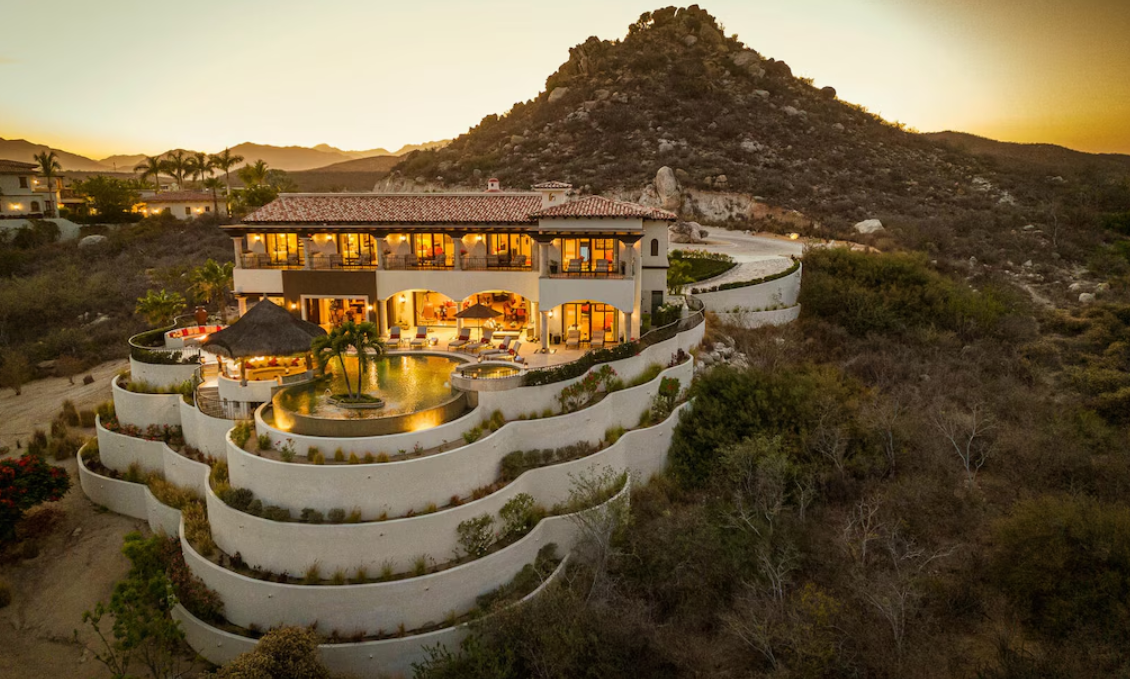
Luxury villas, in particular, can sustain higher increases when they offer features aligned with guest expectations—refined outdoor spaces, premium amenities, and strong visual presentation. Properties offering amenities that increase your booking rate are better positioned to justify premium pricing.
The objective is not simply to achieve full occupancy. It is to maximize the value of each booking.
Low Season Strategy Without Undervaluing Your Property
When demand softens, the immediate instinct is often to reduce prices. However, in a market like Los Cabos, this approach can quickly weaken a property’s positioning.
Low season does not remove demand—it reshapes it. Travelers become more flexible, more selective, and more focused on the overall experience rather than urgency.
Instead of lowering prices, the strategy should evolve. Adjusting flexibility, encouraging longer stays, and refining the type of guest you attract can often produce stronger results without compromising perceived value. This is often achieved by furnishing a luxury villa to justify higher nightly rates .
For higher-end properties, rate integrity is essential. Lower prices do not necessarily lead to better bookings—they often attract misaligned demand. One of the most effective ways to maintain value is to increase your property’s perceived value through design
The goal is not to fill every night.
It is to remain aligned with the value of the property.
A Simple Seasonal Pricing Framework for Los Cabos
A clear pricing structure brings consistency and removes unnecessary guesswork.
It starts with a base rate that reflects true value. Location, design, amenities, and overall positioning should define this foundation. From there, adjustments are applied with intention.
High season supports a clear premium. Shoulder periods require more precise and moderate adjustments. Lower season calls for flexibility—never aggressive reductions that compromise positioning.
Certain periods, such as holidays or key travel windows, may justify additional increases regardless of the broader season.
Pricing should never feel improvised.
It should feel structured, deliberate, and aligned with demand.
Rate Positioning: Why Not All Properties Should Follow the Same Strategy
Not all properties in Los Cabos operate within the same segment, and pricing should always reflect that distinction.
A luxury villa does not compete on the same level as a standard rental. Expectations, audience, and willingness to pay vary significantly. Understanding best areas to invest in Los Cabos can help refine positioning.
Rather than benchmarking broadly, effective pricing comes from understanding positioning. A property should be evaluated based on the experience it offers, the type of guest it attracts, and how it differentiates within its category.
When these elements align, pricing becomes a reflection of value—
not a tool for competition.
Occupancy vs Revenue: What Smart Owners Focus On
Occupancy is often the most visible metric, but it is not always the most meaningful.
A full calendar does not always equal strong performance. In many cases, fewer bookings at higher rates generate better results than full occupancy at lower prices. This is strongly influenced by how professional photography impacts booking rates
Experienced owners understand that not every night needs to be filled. What matters is that each booking contributes to overall revenue and aligns with the property’s positioning.
This shift—from filling nights to optimizing revenue—
is what defines a strategically managed asset.
Why Discounting Can Hurt Your Long-Term Value
Discounting may appear to solve short-term gaps, but it often creates long-term consequences.
Price shapes perception. Frequent reductions can reposition a property in the market, making it increasingly difficult to return to higher rates. In the luxury segment, this effect is even stronger.
A rate that feels too low does not always attract more demand.
It can create hesitation instead of interest.
Maintaining value does not mean refusing to adapt. It means adjusting strategy in a way that preserves positioning—through flexibility, experience, and refined targeting.
Frequently Asked Questions About Rental Pricing in Los Cabos
How far in advance should I adjust my rental prices for high season in Los Cabos?
Ideally, several months in advance. Early positioning allows you to secure higher-value bookings before demand compresses.
What is the most common pricing mistake property owners make in Los Cabos?
Lowering prices too aggressively during low season. This weakens long-term positioning and makes it harder to return to higher rates.
Can I maintain high rates year-round in Los Cabos?
Not effectively. Pricing should adapt to seasonality while preserving the property’s perceived value.
How do I know if my rental is underpriced during high season?
If your calendar fills too quickly, it often indicates your rates are below market potential.
What factors influence rental pricing the most in Los Cabos?
Seasonality, location, property quality, amenities, and overall guest experience.
Bottom Line
A successful pricing strategy in Los Cabos is not about reacting to demand—it is about anticipating it. The properties that perform best are those that protect their value, adapt with precision, and make decisions based on positioning rather than pressure.
In practical terms, this means adjusting rates ahead of demand shifts, maintaining rate integrity during slower periods, and focusing on value rather than volume.
In a competitive and evolving market, pricing is not just a tactic.
It is the foundation of long-term performance.
If you want to maximize your rental income in Los Cabos.